
A recent report from the Tony Blair Institute for Global Change argues that vaccine sovereignty – the UK’s ability to develop and manufacture vaccines domestically – should be treated as core national infrastructure. The paper highlights that future pandemics may unfold in a far more competitive and protectionist global environment, making on-shore capability critical not only for public health, but for economic resilience and national security.
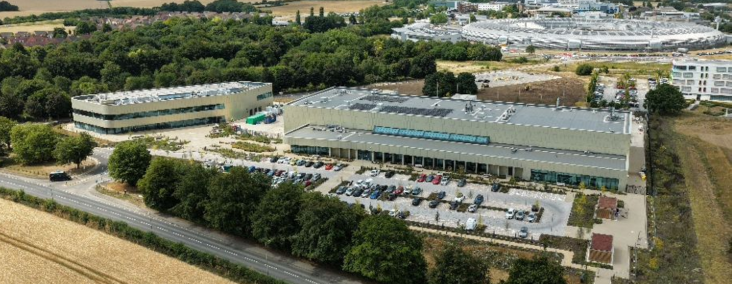
This national strategy is already visible in the Thames Valley. Moderna’s own long-term UK commitment, including its Innovation and Technology Centre at Harwell is a clear example of sovereign capability in action. Facilities like this strengthen domestic mRNA production, support NHS preparedness, and anchor high-value investment and specialist skills in the region.
For the Thames Valley, this is more than a policy discussion. It underlines the region’s growing role in life sciences, advanced manufacturing and health innovation – sectors that are increasingly central to the UK’s future health, wealth and national security. Long-term investment, policy stability and strong public-private collaboration will be critical to sustaining that role.
Issues such as these – from industrial strategy to health security and life sciences growth – are regularly explored in policy conversations through the Chamber’s regional convening Health and Life Sciences Working Group.
Read more from Moderna here.